- Home page
- Top experiences
- Food Lovers
- The essential Béarn cheeses + tasting tips ...
- Food Lovers
- Top experiences
The essential Béarn cheeses + tasting tips ...
Are you a foodie or a gourmet? Do you like cheese? This article is made for you! Béarn is a country of traditions. This strong and well-established culture permeates its local products and gives them a unique character. We take you for a gastronomic getaway in this land of plenty...
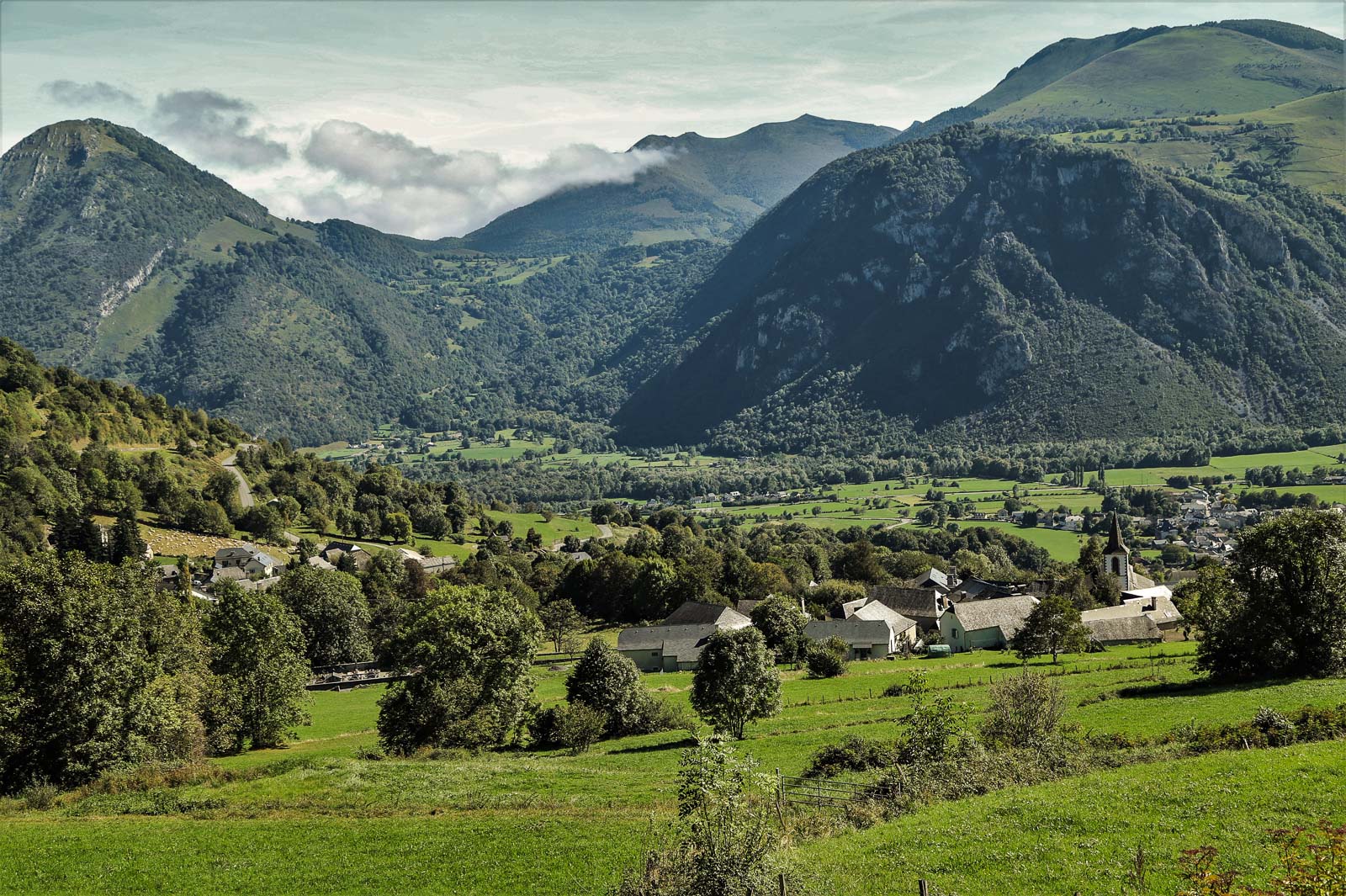
Between the mountains of the Pyrenees and the valleys, watered by the "Gaves", the rivers which cross and enrich them, the land of Béarn is rich and suitable for agriculture and breeding. Its pastures provide many sweets. In particular famous cheeses which contribute to the fame of its gastronomy: “Ossau Iraty”, “Bethmale”, tommes and blue, cabécous and crottins…
Photo ouverture : PUNTOSTUDIOFOTO Lda Adobe Stock
The stars of Béarn, sheep cheeses
The mountain meadows feed the sheep and support its inhabitants for a very long time. Sheep farming is very old and goes back almost 3000 years. The first shepherds appreciated its tasty and fragrant milk. They already knew the way to preserve it, by making it curdle naturally in the open air. Little by little, the technique improved and each valley distinguished itself with its techniques and products, thanks to local know-how. Thus were born the different varieties of cheese!
Béarn is a pastoral country. The sheep is not just a means of subsistence. A whole culture has been forged around mountain lifestyles, traditional farming and manufacturing methods, and the resulting trades. Going on the cheese routes means making atypical encounters, discovering authentic traditions, in an exceptional setting.
Sheep's tomes, "Ossau Iraty", cow's tumes, sheep's milk... the names are numerous! Each has its own personality in the image of its producers and its valley of origin. These cheeses are reputed to be fine and delicate, with the floral scents of the meadows. With age, they gain strength and character. To reveal all their flavors, you can garnish them with fig jam or a few black cherries from the Basque Country. And if you are looking for the ideal drink, it is the white wines of "Jurançon", "Vic-Bihl" or "Saint-Mont" which will enhance them the best. On some old tommes, we will appreciate a round and slightly tannic red, such as “Irouléguy” or “Saint-Mont”.
All about Ossau-Iraty
"Ossau-Iraty" is the symbol of an alliance. It is made from a blend of milk from the valleys of Ossau in Béarn and Iraty, in the Basque Country. Two countries, two pastoral traditions that come together to give a cheese with a unique character and appreciated for centuries, long before its recognition as "Appellation d'Origine Contrôlée".
- To taste an authentic Ossau-Iraty AOP, we recommend Ferme Serbielle in Navarrenx.
- In Laruns, the small Carrère Régis farm welcomes you to the farm and to its lodging to soak up this mountain atmosphere, in the Ossau valley and taste these traditional cheeses.
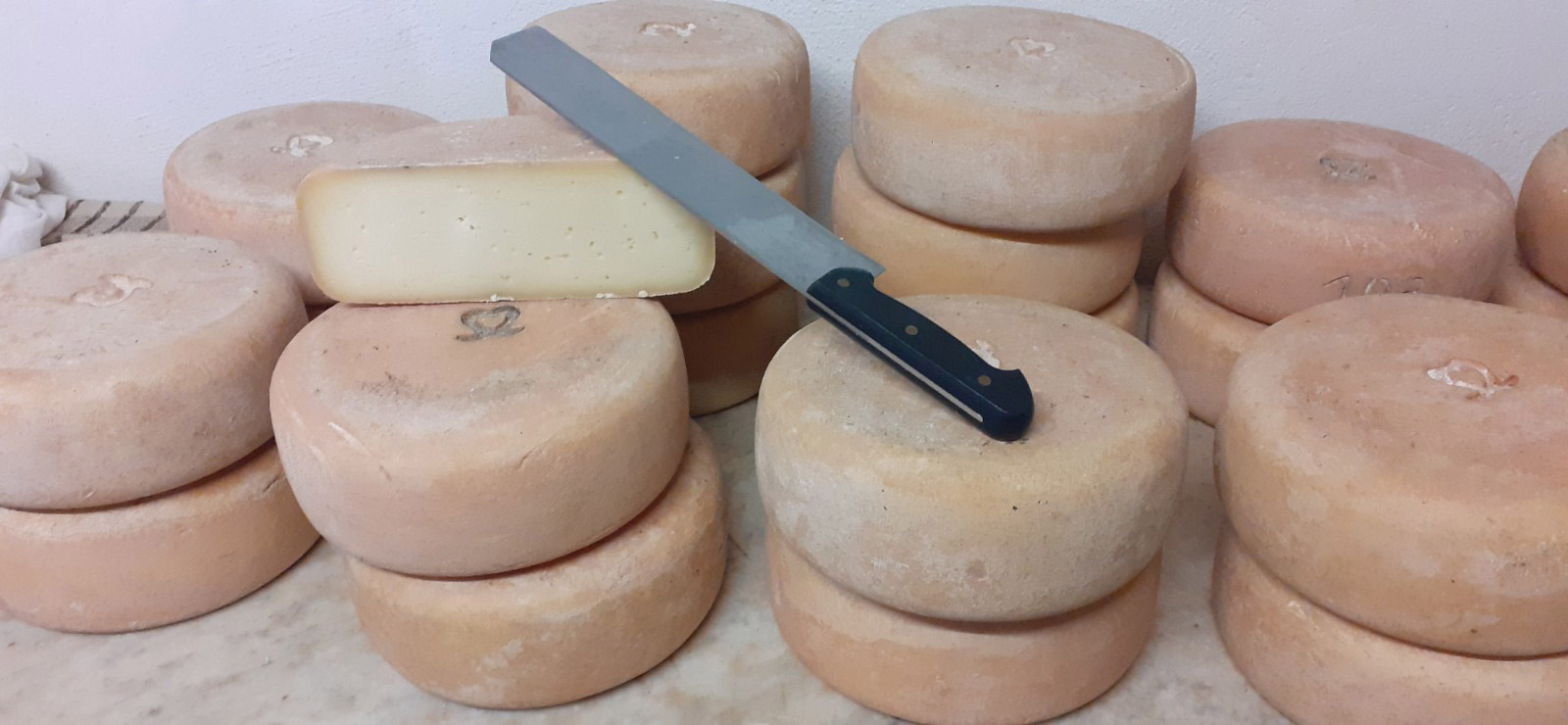
Sheep's tomme; Source: Carrère Régis farm
Discover the other sheep's milk cheeses
"Tomme de ebis des Pyrénées" is a typical cheese from Béarn. It is produced mainly around Pons, near Pau, in the wine valleys of Jurançon and Madiran. Following an ancestral process, the milk is worked in several stages to obtain the precious cheese: curdling, cutting, mixing, molding, pressing, salting. Then it is finally left to rest for many months during maturing. It is during this final stage that it takes on all these characteristics and its personality, it is said that it "matures".
Its history is shared with Roquefort, however it is very unique and original… “Bleu de ewe” is very similar to “Bleu des Causses”. It is a blue with a very soft paste and a slight spiciness. It is quite sweet and fragrant.
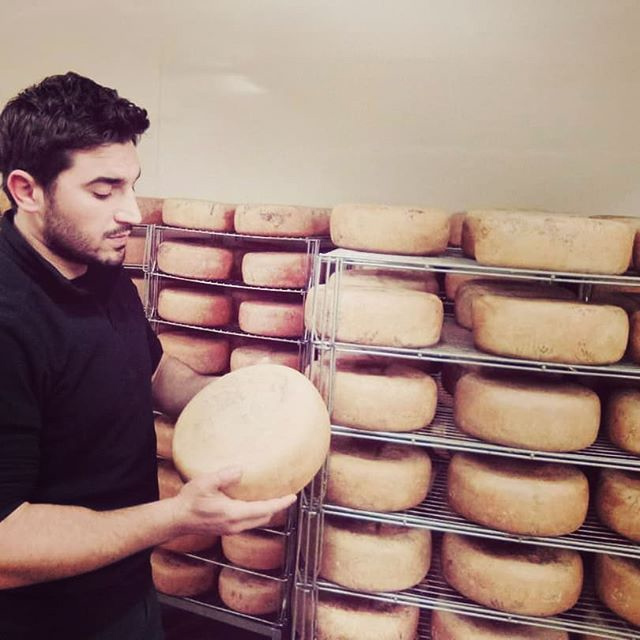
Cheeses from Ferme Salies-Salet; Source: Ferme Salie-Salet
The delicious cow's milk cheeses from the Pyrenees
The “Pic de Cabasse” was produced in Ariège. Like all Pyrenean cheeses, its terroir extends to neighboring departments on the “mountain lawns”. It is a cheese made from raw cow's milk, with an uncooked pressed paste. It is a large cheese of 5 to 6 kg. He is very gentle.
The "Bethmale" is also from the Ariège Pyrenees and more precisely from the region which gave it its name, "the valley of Bethmale". Today its production has expanded. Historically, it is a cheese made from cow's milk, but there are also variants made from sheep's or goat's milk.
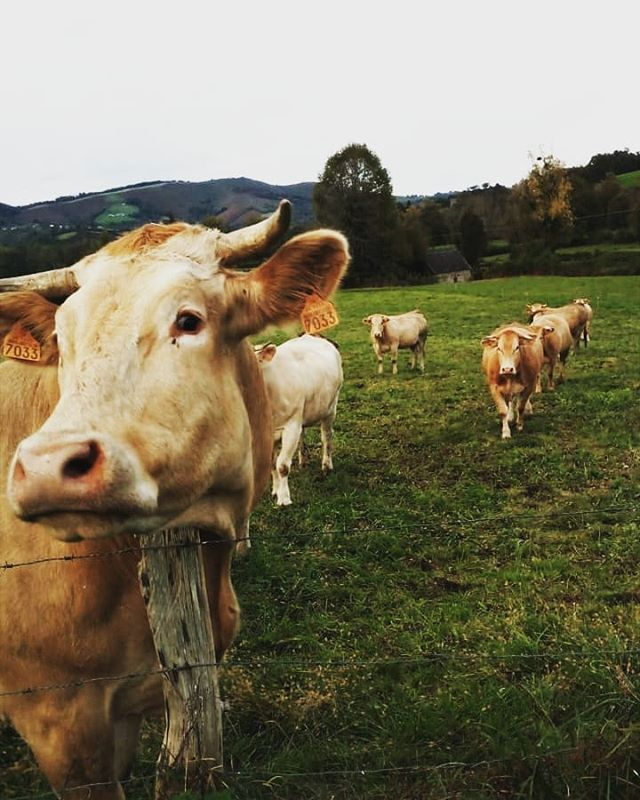
Know the mixed cheeses: cow and sheep
“Barousse cheese” is produced in the Barousse valley, near the village of Sost. Between 18th and 19th century, the village is a stage of transhumance of sheep and cows. The mixture of these two milks gives an uncooked, fairly fresh, slightly acid pressed cheese.
In Accous (for the middle summer pasture) and in Borce (for the high summer pasture), go and meet the shepherds of the Aspe Valley. The itinerant farm of Ossiniri produces tomme pudding from cows, sheep and mixed.
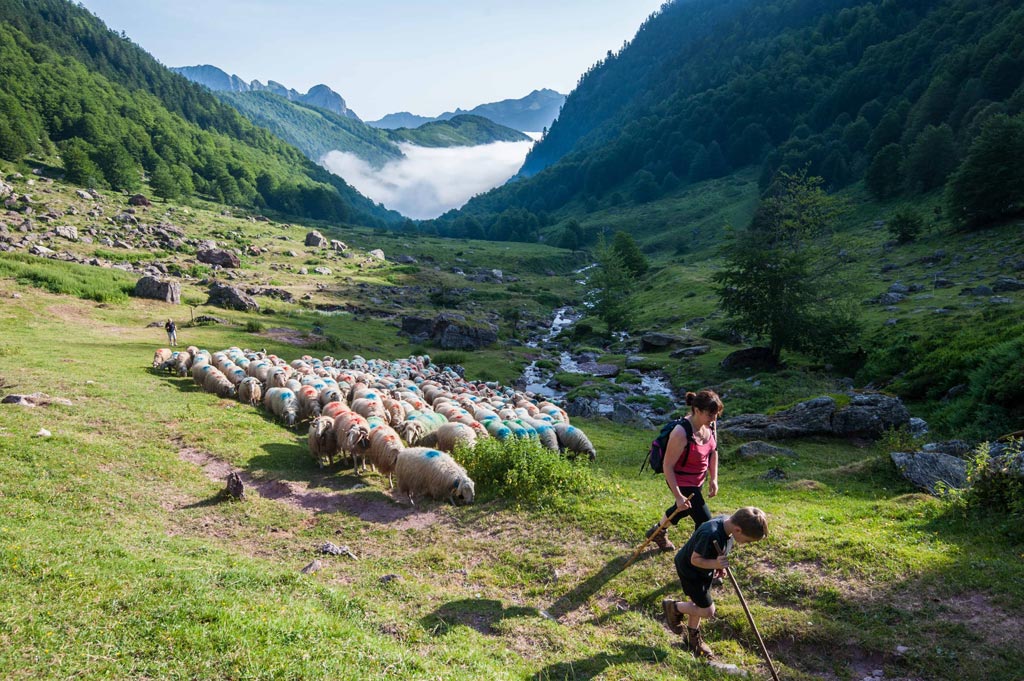
Ossiniri mobile farm in the Aspe valley; Source: Ferme Ossiniri cc Laurence Fleury
Goat's milk cheese fondants
In “Cabécou” or “Crottin” format, Béarn goat cheeses are also famous. In Aydius, the Chèvrerie du Lanset offers tours, tastings and during the holidays its “Apéri'chèvre” .
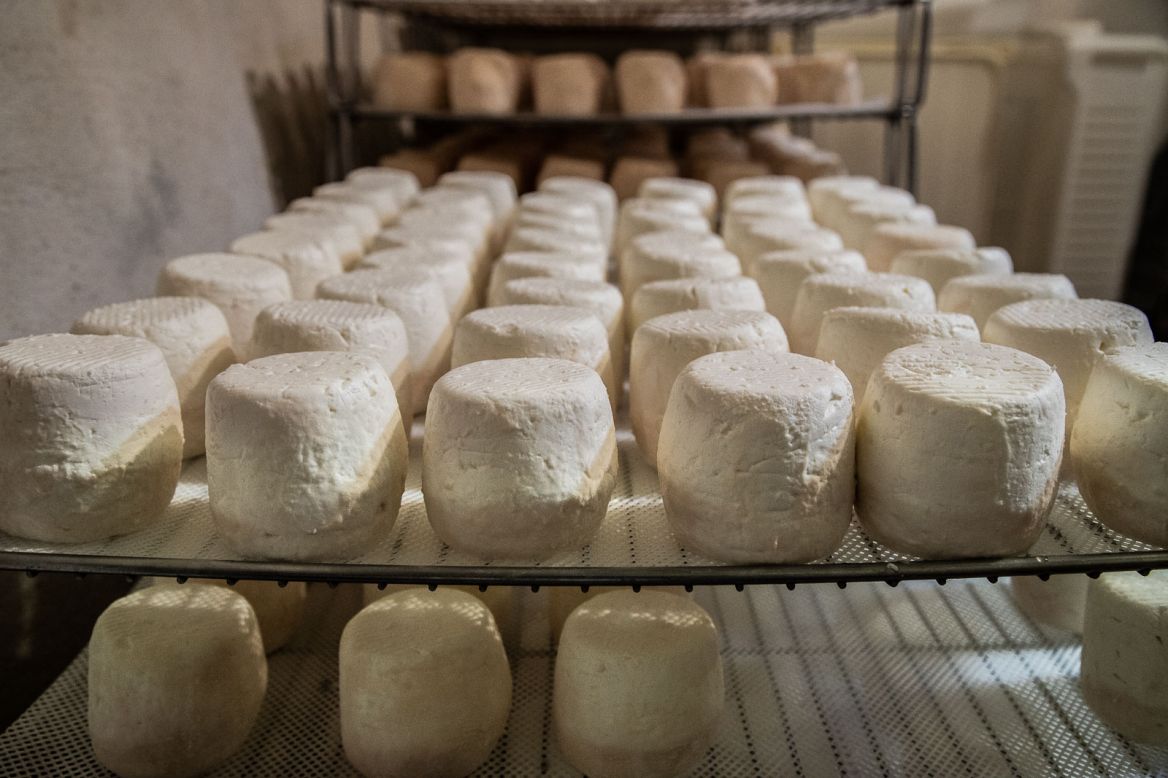
Flavored summer cheeses
The summer pastures are summer pastures. Located in the mountains, at an altitude of over 1000 meters, the green valleys of Ossau, Aspe and Barétous welcome animals and shepherds from June to September.
During the “transhumance”, cows, sheep and goats travel the mountain paths to reach their summer quarters! They will be milked on site, by hand, in outdoor parks. The cheeses are traditionally made in the shepherds' huts nearby.
These very specific cheeses are protected by a “Estive” mark, affixed directly to the rind. The grass being fatty and flowery, the milk takes on flavors of licorice and wild thyme which give an incomparable taste to the cheeses produced during this limited period.
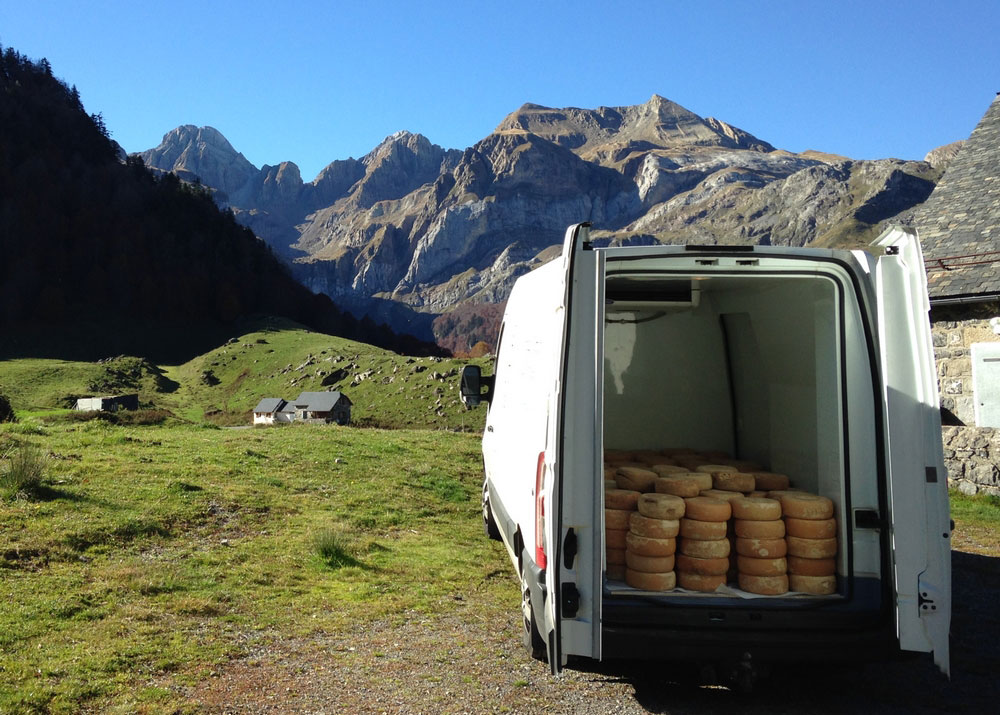
Summer production; Source: Grande aux fromages - Fromagerie Arribe
Pyrenean cheese-based recipes
Ossau-Iraty melts in the mouth but also in the oven. As an omelet, in your pies and quiches, or melted in a hamburger, its sweetness will charm you...
Sheep blues can be cooked with all kinds of sauces… In fact, we make divine sauces to accompany red or white meat, on potatoes or quite simply on a good pasta dish!
Are you lacking inspiration? The tourist office of 64, Béarn and the Basque Country gives you its best recipes in its "pure sheep gourmet moments"... (fr)

Our other good addresses...
- An original way to discover Ossau-Iraty cheeses: Join the cheese route that starts from the Basque Country to Béarn (fr).
- And if you are waiting for the right moment for your stay, then take advantage of the festivals, competitions and other events around Béarn cheeses (fr).
- To find good Pyrenean cheeses and other local products, the Arribe cheese dairy welcomes you in Oloron-Sainte-Marie.
- If you are more of a city-dweller, Fromagerie Alexandre, in Pau, will share with you its passion for cheeses and taste these local or distant sweets...
- To combine these good cheeses with good wines, we can only advise you to contact professionals!
- Here is our tour of the cellars and vineyards of Béarn.
- And to finish the meal in style, are you served a piece of a spit cake? We reveal all the secrets of this traditional mountain cake in our article (fr).
Our round of cheesy sweets is over. There are so many other products to discover in Béarn that you will surely come back sated and your gluttony sated. In order to digest it all, we suggest you visit the most beautiful villages of Béarn. You want to do some sport: here are our most beautiful bike rides. For an even sportier version, but closer to pastures, let's go for the ascent of mountain passes by bike. And if you prefer to do it on foot, we will take you on a hike in the Ossau valley.
Did this course make you want to know more? To get to know this beautiful country better, consult our page. To organize your stay more easily, discover our “Around me” option: Our geolocation service helps you find nearby tours and activities, a restaurant, or your accommodation.
Did you like our article? Find more on our Blog. Follow us on the Guide du Béarn-Pyrénées Facebook page and on Instagram @guidebearnpyrenees.
Article written by Stéphanie Tempier for the Guide du Béarn Pyrénées.
You will also like
What to do in Béarn in autumn?
Shopping in Pau: a day that rhymes with window shopping
2 days in Pau and the surrounding area
Restaurants listed in the Michelin Guide in Pau
Restaurants in Pau: Our favorite addresses
Top 10 things to do in Pau
The top 10 must-see visits in Béarn
The castles of Béarn, magical medieval tours